
Pune Commercial Real Estate: AI-Powered Insights and Top Hotspots in 2025
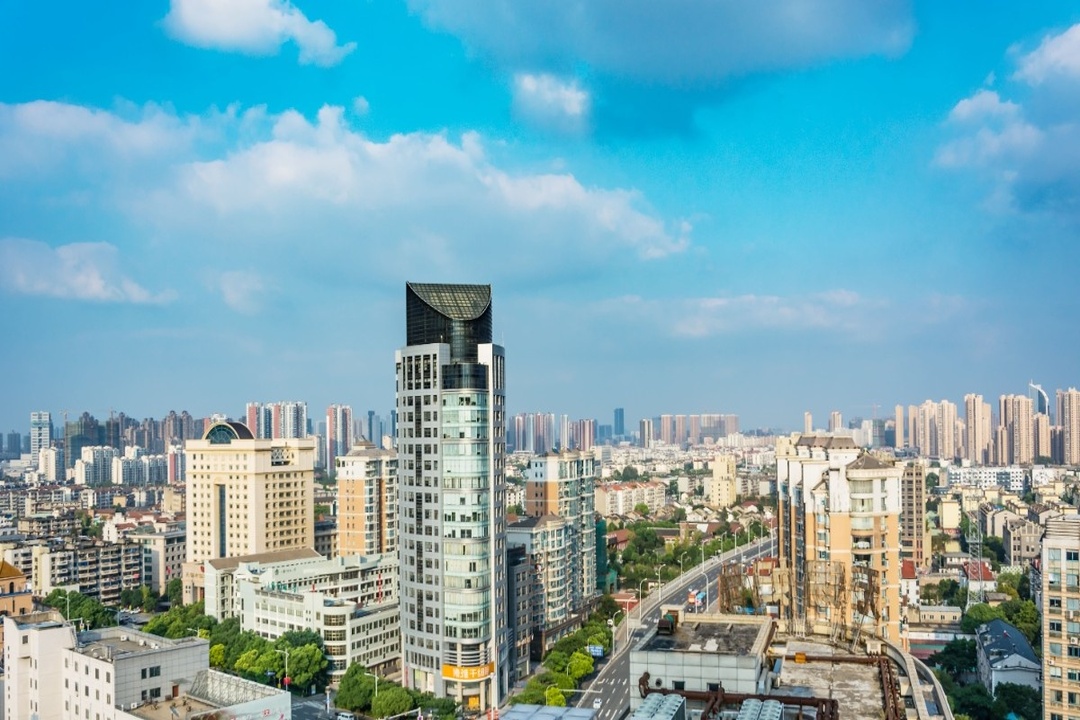
The Pune commercial real estate market is entering a defining phase. Once known primarily as an education and manufacturing hub, the city has quickly evolved into a thriving business district that attracts IT giants, startups, and large developers.
As we head into 2025, a new layer of decision-making is emerging, powered by AI. From analyzing real-time buyer activity to forecasting property demand, AI is helping investors and developers identify where the next high-ROI opportunities lie.
AI-powered insights are beginning to reshape how we evaluate commercial potential. From processing real-time activity to interpreting unstructured market signals, artificial intelligence is enabling a new level of precision in identifying high-growth zones, especially in dynamic markets like Pune.
In this article, we explore how AI tools can help decode market momentum and highlight five high-potential commercial areas in Pune that are gaining attention in 2025.
Real Estate Trends in 2025
Historically, commercial investment in Pune followed clear patterns: proximity to the airport, IT clusters, or business corridors like Shivajinagar and Deccan. But recent real estate trends in 2025 show a shift. Businesses are now exploring emerging zones driven by improved infrastructure, connectivity, and changing work patterns.
AI helps spot these shifts early. By analyzing digital search trends, broker activity, site visits, sentiment signals, and developer launches, AI-powered tools can surface patterns long before they show up in traditional reports.
This means investors can respond faster, entering markets with rising demand, rather than reacting to past performance.
Why Pune Commercial Real Estate Is Poised for Growth
With AI tools being adopted more widely across real estate, hotspot identification is no longer based solely on price appreciation or vacancy rates. AI considers multiple layers of data to highlight zones where:
- New demand is forming (e.g., startups, coworking operators, retail anchors)
- Infrastructure upgrades are underway (e.g., metro corridors, highway extensions)
- Commercial supply is getting absorbed faster than expected
- Digital behavior (searches, inquiries, map views) indicates rising interest
- Brokerage chatter and listings activity show deal momentum
These data points are dynamic, hyperlocal, and often fragmented. AI enables platforms to process them in real-time, creating a composite picture of where property demand is building and where returns may be higher.
Pune Commercial Real Estate: 5 Hotspots You Shouldn’t Miss
Here are five areas in Pune gaining traction with commercial real estate investors in 2025, based on industry-wide signals, market behavior, and evolving buyer and tenant interest.
1. Balewadi
Once known for its residential appeal, Balewadi has quickly evolved into a mixed-use zone. With the Metro corridor now functional and easy access to the Mumbai-Bangalore highway, commercial developers are eyeing it for retail, flex workspaces, and mid-sized offices.
Why It’s Hot:
- Metro + highway access
- Rise in tech parks and co-working demand
- Strong residential catchment for retail and F&B
2. Kharadi Extension (Upper Kharadi / Wagholi belt)
Kharadi has long been an IT magnet. What’s new in 2025 is the eastward commercial push, driven by overspill demand and rising land prices. AI tools have flagged this corridor as a high-interest zone based on rising online searches and developer announcements.
Why It’s Hot:
- Expanding eastwards due to a space crunch
- IT tenant spillover from EON IT Park
- Early-mover investment advantage
3. Baner-Balewadi High Street
This corridor is developing into a lifestyle and retail destination. AI models trained on listing data and sentiment signals indicate growing interest in Grade A retail space here, especially from premium brands and experience-first F&B operators.
Why It’s Hot:
- Urban crowd + rising footfall
- High-street vibe attracting retail brands
- Potential for high ROI in retail leasing
4. Tathawade-Wakad Link Zone
This area has been gaining momentum thanks to improved connectivity and a growing young population. AI-driven dashboards show a steady rise in commercial listings and deal activity over the last 6 months.
Why It’s Hot:
- Close to Hinjawadi but less saturated
- A strong housing pipeline means built-in demand
- Potential for mid-scale offices, clinics, and education hubs
5. NIBM-Kondhwa Growth Belt
While traditionally residential, NIBM is seeing an uptick in retail and service-led commercial setups. AI signals across search activity and leasing inquiries show rising traction from wellness, education, and food businesses.
Why It’s Hot:
- Underserved market with rising affluence
- Easy access to Camp, Katraj, and eastern Pune
- Potential for boutique offices and neighborhood retail
AI: Not Just Trend-Spotting, But Risk Reduction
By blending historic data with real-time demand signals, AI helps mitigate risk while identifying opportunity. Investors can now avoid overexposed zones, anticipate saturation, and align investments with actual user behavior.
Moreover, tools that can interpret unstructured data, like listing language, broker notes, or customer queries, offer hyperlocal context. Platforms like TryThat.AI, built for real estate intelligence, help professionals translate noisy market signals into meaningful strategy.
Final Thoughts: The Future of Pune Commercial Real Estate
In 2025, success in Pune’s commercial real estate market will depend not just on location, but on insight, timing, and speed of execution. AI empowers stakeholders to read momentum earlier, act with greater confidence, and stay ahead of market shifts.
Whether you’re an investor looking for high ROI real estate in Pune or a developer exploring new zones, AI is no longer optional; it’s your competitive edge.
Curious how AI can guide your next commercial move?
TryThat.AI helps you track demand signals and identify high-potential zones before the rest of the market does.
Talk to us.
Note: The area trends in this article are based on publicly observable market behavior and examples of how AI can be applied to commercial real estate. They do not reflect proprietary research.