
Pune Housing 2026: Prices, Localities and Buying Outlook
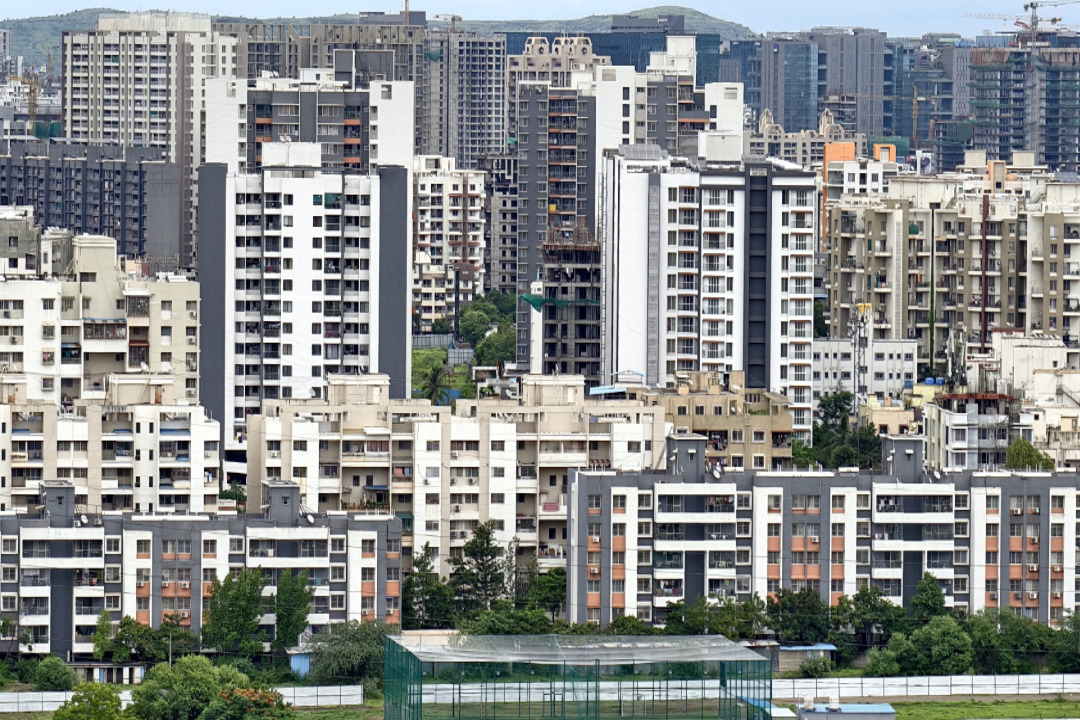
Pune’s housing market has steadily evolved from a value-driven alternative to Mumbai into a decision-heavy market of its own. Buyers in 2026 are no longer just asking “what’s the rate?” – they’re asking Where does this make sense for my life, work, and future plans?
This guide looks at Pune housing through a decision-first lens: price trends, locality behaviour, and the questions buyers should be asking before committing.
Quick Answers: Housing in Pune (2026)
Pune housing prices in 2026 are largely stable in mature areas, with selective growth in emerging micro-markets driven by infrastructure completion.
West Pune and East Pune remain the most liquid residential zones due to sustained end-user and rental demand.
Buyers should prioritise micro-location quality, infrastructure timelines, and lifestyle fit over headline price appreciation.
Are Pune housing prices increasing in 2026?
They are increasing selectively, not uniformly across the city. Instead, different micro-markets are moving at different speeds.
Broad patterns buyers should note:
- Prices in established IT corridors have largely stabilised, with appreciation driven more by infrastructure completion than speculation.
- Peripheral and emerging zones are showing selective growth – not all “upcoming areas” are equal.
- Ticket sizes have increased, but affordability pressure is being managed through smarter unit sizing and phased developments.
Rather than chasing the lowest rate per sq ft, buyers in 2026 need to evaluate value sustainability – how livable, rentable, and resale-ready the location will remain over the next 7–10 years.
Top Localities to Watch in Pune (2026)
Hinjewadi & West Pune
Hinjewadi continues to attract IT-driven demand, but buyers should differentiate between phases.
- Phase 1 remains employment-centric with limited social infrastructure.
- Phases 2 and 3 offer better residential planning but vary sharply by project quality.
Who it works for: Professionals prioritising proximity to tech parks and mid-term rental demand.
Buyer watch-out: Traffic patterns and future metro connectivity matter more here than headline pricing.
Baner, Balewadi & Aundh
These areas represent Pune’s mature urban living zones.
- Strong social infrastructure
- Consistent resale liquidity
- Higher entry prices, but lower risk
Who it works for: End-users planning long-term self-use and buyers who value stability over aggressive appreciation.
Buyer watch-out: Older projects may need higher maintenance costs check lifecycle expenses, not just purchase price.
Wakad & Tathawade
Once purely affordable extensions, these micro-markets are now transitioning into mid-segment residential hubs.
What’s changing:
- Better schools and retail clusters
- Improved internal road connectivity
- Growing demand from both buyers and tenants
Buyer watch-out: Project density and construction quality vary significantly. Two buildings on the same road can have very different long-term outcomes.
Kharadi, Viman Nagar & East Pune
Driven by EON IT Park, airport access, and commercial activity, East Pune remains resilient.
Who it works for: Buyers seeking a balance between self-use and rental flexibility.
Buyer watch-out: Some pockets face civic infrastructure strain. Liveability depends heavily on micro-location, not just locality name.
South Pune: Undri, Pisoli, Kondhwa
South Pune continues to attract price-sensitive buyers, but it’s a planning-led decision.
Who it works for: Buyers with longer time horizons who prioritise space and budget.
Buyer watch-out: Infrastructure timelines are critical here. Always evaluate current livability versus promised future development.
What Buyers Often Miss (But Shouldn’t in 2026)
1. Micro-location Beats Locality Name
Two projects in the same locality can have entirely different daily experiences. Buyers should evaluate:
- Road access during peak hours
- Drainage and water reliability
- Walkable amenities
2. Rental Yield and Rental Demand
A location may show decent yields on paper but suffer from inconsistent tenant demand.
Ask:
- Who actually rents here?
- Is demand driven by offices, colleges, or transient populations?
3. Infrastructure Is About Timing, Not Announcements
Metro lines, flyovers, and ring roads impact value when they’re usable, not when they’re announced.
Buyers should plan based on realistic completion windows, not marketing timelines.
4. Lifestyle Fit Matters More Than Appreciation Hype
A slightly lower appreciation in a locality that fits your daily routine often creates better long-term satisfaction than chasing the “next hot zone.”
How to Approach a Buying Decision in Pune
Instead of asking “Is this a good area?” ask:
- Does this locality support my daily commute and lifestyle?
- What will resale or rental demand look like in 5–7 years?
- What risks am I accepting – infrastructure, density, or liquidity?
This shift from search-based buying to decision-based planning is what separates confident buyers from regret-driven ones.
Is it a good time to Buy Property in Pune
Yes, it is a good time to buy property in Pune for long-term buyers, as the city continues to benefit from strong IT sector growth, major infrastructure upgrades, and consistent job creation.
Summing Up
The Pune housing market in 2026 rewards clarity, not speed. Prices alone don’t tell the full story – livability, infrastructure timing, and locality maturity matter just as much.
Buyers who slow down, ask better questions, and evaluate trade-offs are far more likely to make decisions they won’t second-guess later.
At TryThat.ai, we believe home buying should feel less like searching and more like planning. The right decision starts with the right questions.